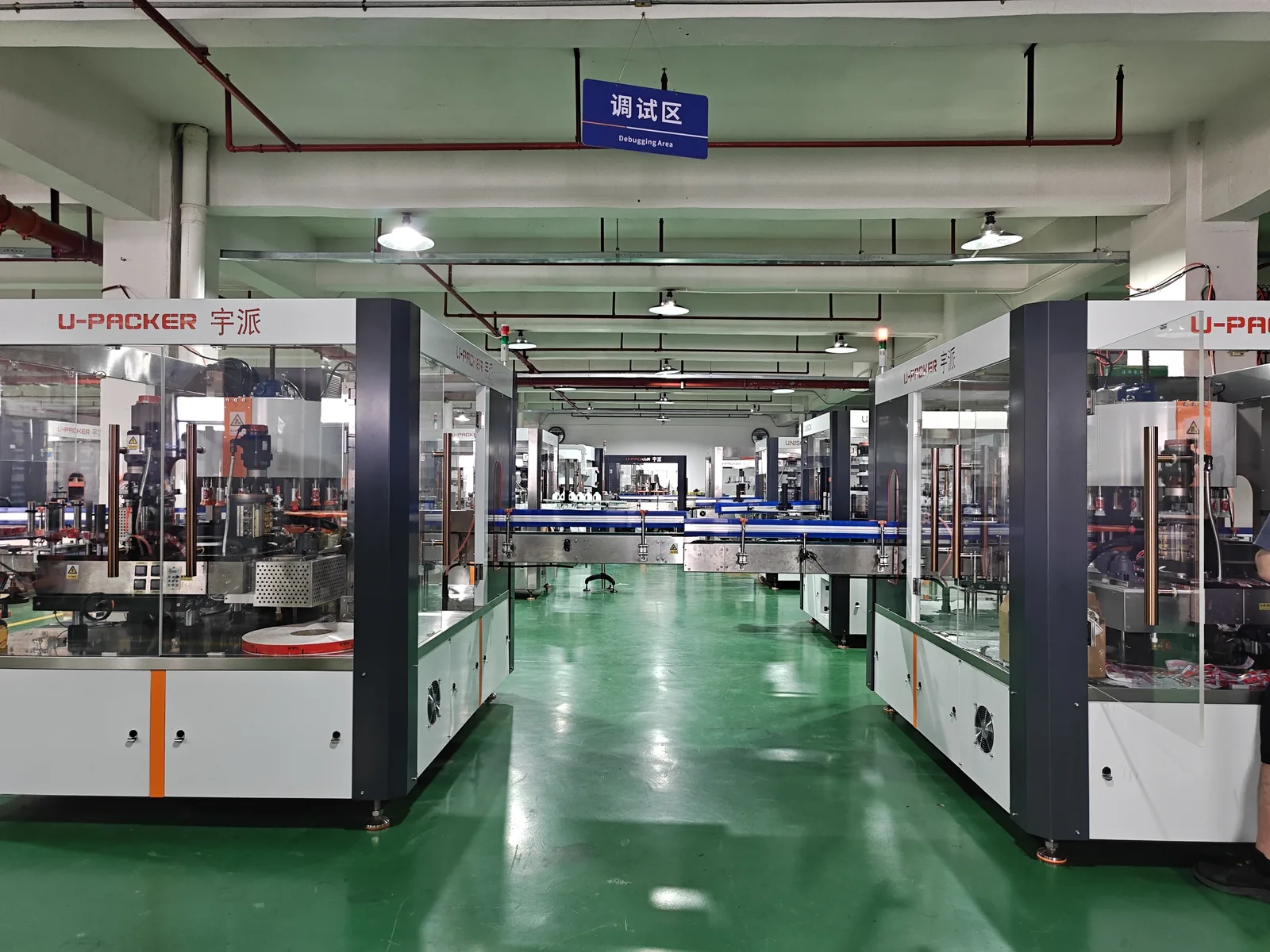
Two mainstream labeling processes: self-adhesive and hot-melt
Labeling is a core step in product packaging. In packaging automation upgrades, the operating stability and application accuracy of labeling equipment directly affect the appearance yield rate and the overall efficiency of the line. Mainstream labeling technology falls into two families — self-adhesive labeling and hot-melt labeling — with sleeve (shrink-film) labeling as a complementary option. The three processes differ clearly in label material compatibility, glue application method and running cost, so before selecting a machine, manufacturers need to define their product's packaging requirements, output targets and shop-floor conditions.
Self-adhesive labeling: structure and typical applications
Self-adhesive labeling machines are used mainly for single-side, double-side and round-bottle application. A peel plate separates the adhesive layer pre-coated on the label liner, while press rollers apply the label directly onto the product surface. The mechanical structure is relatively compact, no on-site heating or glue preparation is needed, and format changeovers are quick — a good fit for multi-variety, small-batch production.
In practice, self-adhesive labeling places some demands on surface cleanliness. Servo-driven self-adhesive machines hold labeling accuracy within ±0.5 mm, and they are widely used for shaped bottles in the personal care, electronics and pharmaceutical industries. The rotary self-adhesive labeling machine is the representative machine of this process.
Hot-melt labeling: the cost edge on high-speed lines
Hot-melt labeling machines use roller coating or spraying to apply molten solid glue to the label edge or back; a manipulator or gripper drum then wraps the paper label around round or square bottles. Because the process runs on full paper reels, it skips pre-cutting and pre-coating, so the material cost per label is lower than that of a self-adhesive label.
Hot-melt labeling is widely used in beverage and food packaging. It adapts well to bottle surfaces — including glass or PET bottles carrying condensation — and premium machines run at more than 50,000 bottles per hour. The process does require a heated, temperature-controlled glue system, so overall power consumption and initial investment are somewhat higher. The rotary OPP hot-melt round-bottle labeling machine is built for such high-speed filling lines.
Sleeve labeling: a third option for full-body labeling
Sleeve (shrink-film) labeling slips a shrink-sleeve label over the container, and a heat tunnel then shrinks it tightly onto the surface. Its greatest advantage is full-body labeling: large coverage and print area, with almost no limitation on bottle shape — ideal for products that need broad brand display and information panels. The trade-offs are additional shrinking equipment, relatively high energy consumption, and sleeve material costs that must be factored in.
Operating cost and TCO comparison
Self-adhesive labels carry a higher purchase price: the laminate consists of a facestock and a release liner, and the liner is discarded as industrial waste after use, with material utilization typically around 70%. For the same printed area, the overall material cost of self-adhesive labels runs about 30% to 50% higher than hot-melt labels. Hot-melt label stock is cheaper, but hot-melt glue must be purchased as a consumable, and periodic maintenance of the glue circuit typically accounts for about 40% of the machine's annual maintenance budget.
When calculating return on investment, bring the cost differences between label reels and hot-melt consumables, energy, and maintenance labor into a total cost of ownership (TCO) model: multi-variety, small-batch orders should weight changeover flexibility and scrap control, while single-SKU, very-high-volume lines should prioritize per-label material cost and machine speed.
Container shape and environmental adaptability
Self-adhesive labeling is tolerant of container shapes: high-precision servo drive places labels accurately on flat, square or complex-curved bottles. Hot-melt labeling is mostly used for full-wrap labeling on round bottles or body-plus-back double-label application; where the container surface is uneven over a large area, glue can spread unevenly before curing, causing wrinkles or lifted label edges.
As for the environment, pressure-sensitive adhesives are temperature-sensitive: initial tack drops in cold winter conditions, and liners absorb moisture and deform in hot, humid summers, so workshops must keep temperature and humidity under strict control. Hot-melt labeling machines cope better with shop-floor conditions and enter production state quickly after start-up.
Cam types: mechanical cam vs electronic cam
When configuring a hot-melt labeling machine, you also choose between mechanical-cam and electronic-cam drives: mechanical cams run stably and are easy to maintain, suiting mature, fixed product lines; electronic cams simulate the cam curve with a servo system, so changeovers require no cam replacement and flexibility is higher. The rotary OPP hot-melt mechanical-cam labeling machine and the rotary OPP hot-melt multi-function electronic-cam labeling machine serve these two kinds of requirement respectively.
Labeling process selection checklist
Taking all of the above together, evaluate labeling equipment along these lines:
- Container shape: regular shapes (round, square) suit hot-melt labeling; shaped bottles or applications needing precise placement favor self-adhesive labeling; when full-body coverage is required, consider sleeves.
- Label material budget: self-adhesive stock costs more per unit but equipment investment is lower; hot-melt stock costs less but requires a glue-melting system and consumables.
- Speed requirement: high-speed lines (beverages, bottled water) usually choose hot-melt labeling for better cost efficiency; machine speed should match the upstream filler's peak capacity with about 10% headroom.
- Appearance quality: for products demanding label transparency and texture, film-type self-adhesive labels have the edge.
- Environmental requirements: hot-melt label materials such as OPP film are easier to recycle, in line with the packaging industry's green development trend.
Conclusion
No labeling process is absolutely the best — only the best fit. We recommend validating with sample runs based on your product characteristics, production scale and budget before deciding. For the maintenance regime and troubleshooting methods that follow installation, see Maintenance and Troubleshooting Essentials for Labeling Equipment on Automated Packaging Lines.