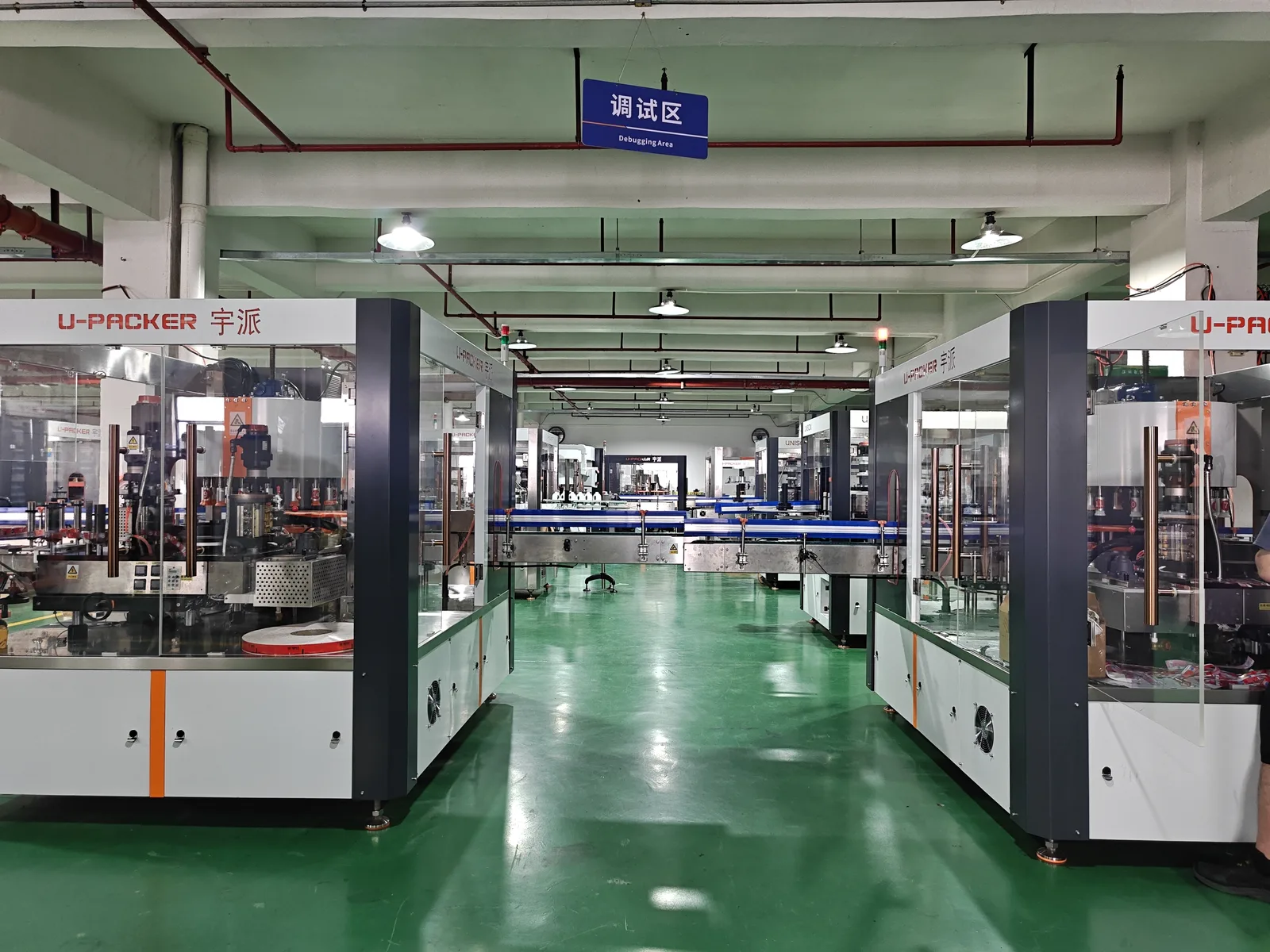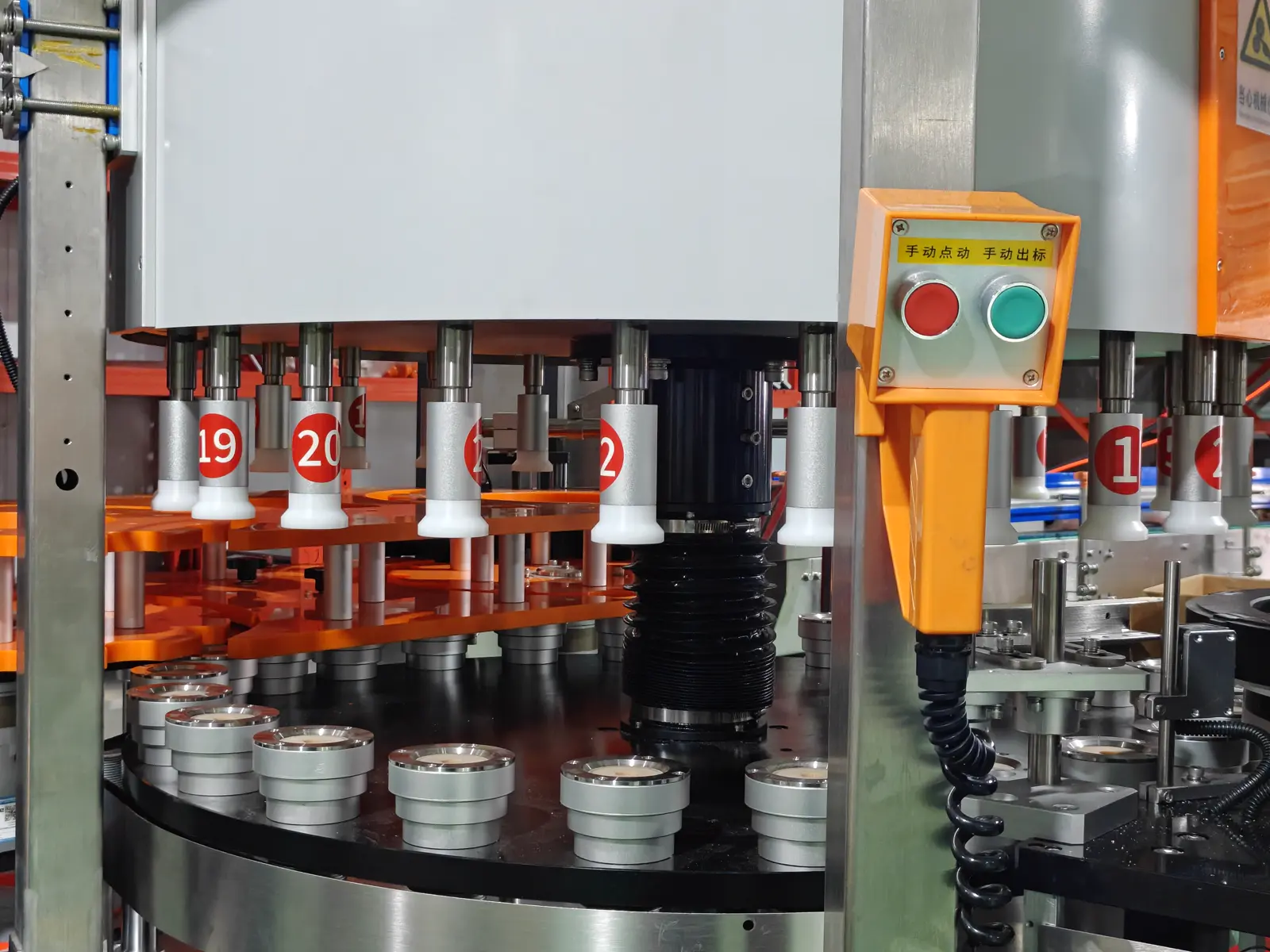
Choosing a labeling machine is a container decision, not a catalog decision. Round bottles running high volume with full-wrap decoration point to hot melt OPP wrap-around labeling — up to 58,000 bottles an hour on our newest combination platform. Front, back, and spot labels on mixed shapes point to self-adhesive. Paper labels on glass point to cold glue. This guide walks the decision in order — bottle, label, output, machine — then lists the six specifications that decide whether a machine fits your line, and what to send our engineers to get a configuration recommendation with a formal quotation.
Start With Your Bottle, Not the Machine
The fastest way to buy the wrong labeling machine is to start from a machine. Start from the container instead, because bottle geometry narrows the technology choice before any supplier is involved. A cylinder that can be rotated on its axis at speed suits wrap-around labeling; a flat, oval, or square face that cannot spin cleanly needs a label pressed onto a passing face; a glass bottle destined for a classic paper look belongs to cold glue.
Three container questions settle most of the decision. First, can the bottle rotate? If yes at production speed, rotary wrap-around machines come into play, and they are the workhorses of round-bottle beverage lines. Second, how many label zones does one bottle carry — a single wrap, or a front-plus-back pair, or a neck label on top of both? Each zone is a station, and stations add up. Third, how many bottle shapes will share this line? One stable shape keeps tooling simple; a family of diameters and heights makes changeover hardware and quick-change parts a core requirement, not an option. If your answers sit anywhere between these cases, that is precisely what our engineers look at first when you send us your bottle drawings.
What Are the Different Types of Labeling Machines?
Three technologies cover the labeling lines our customers run: hot melt wrap-around, self-adhesive, and cold glue. Each applies a different label format with different economics, and many bottlers eventually run two of them side by side. The table below is the short version; the next section covers the choice buyers actually struggle with.
| Technology | How the label is applied | Best for | Watch-outs |
|---|---|---|---|
| Hot melt wrap-around (OPP / BOPP roll-fed) | Roll-fed film cut to length, wrapped 360° around the rotating bottle, sealed with two hot melt seam dots at 120–160 °C | Round bottles, high volume, beverage and food lines — no release liner, minimal glue per bottle | Needs glue-system upkeep; film only (no die-cut shapes); bottle-family changeover via star-wheel sets |
| Self-adhesive (pressure-sensitive) | Die-cut labels peeled off a siliconized liner and pressed onto the bottle | Front/back/spot labels, irregular containers, short runs, variable data, promotions | Liner and matrix waste (more than half of traditional PS material); roll changes on long runs |
| Cold glue | Paper labels brushed with liquid glue and pressed onto rotating glass | Beer and brewery bottling, classic paper-on-glass look — rotary cold glue lines reach 48,000 bph | Glue kitchen and cleaning regime; slower changeovers; paper labels only |
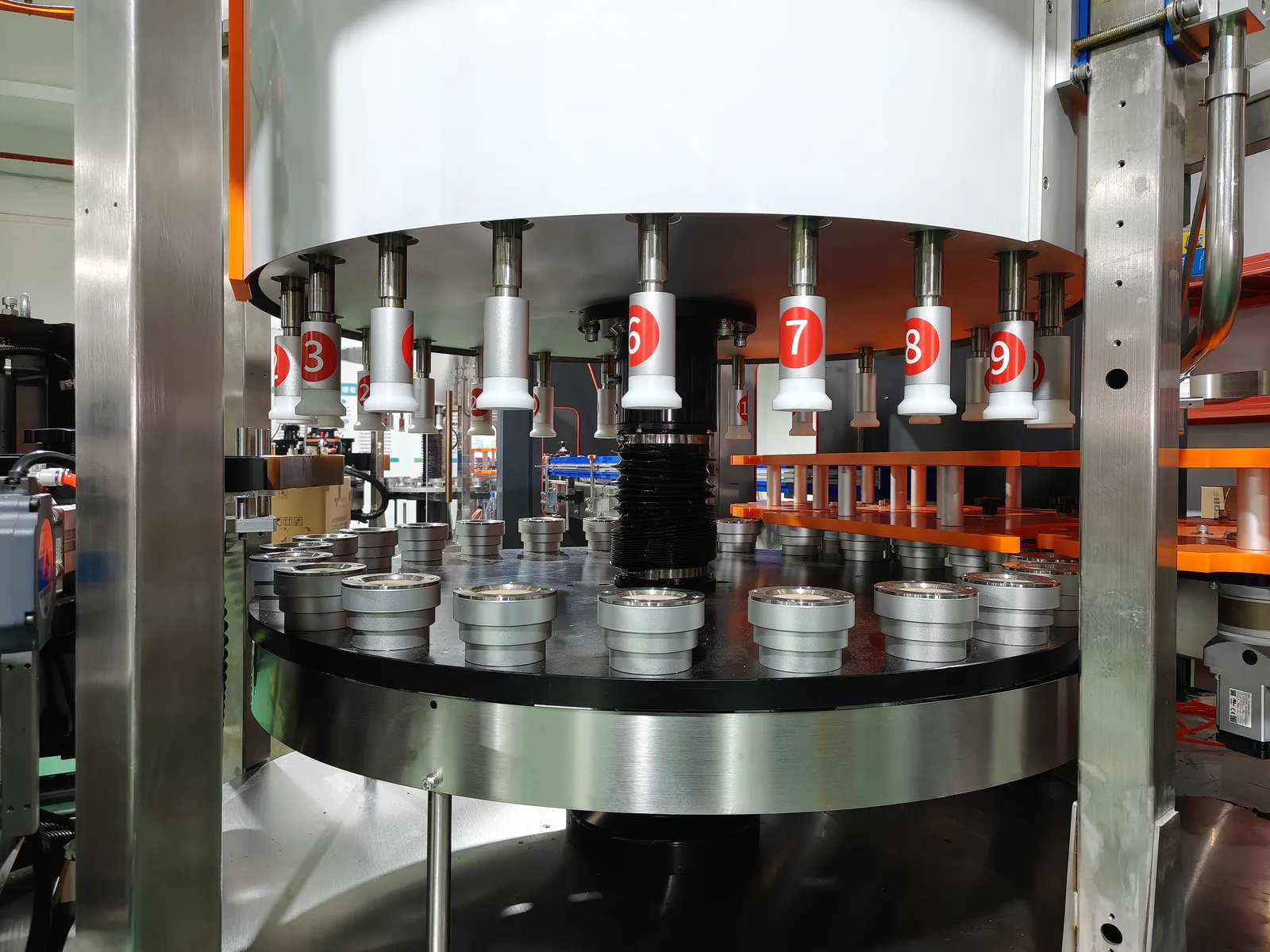
One platform can carry both of the first two technologies: our newest combination labeler runs hot melt wrap-around at up to 58,000 bph with self-adhesive stations on the same chassis, so a full-wrap body label plus front, back, or neck spot labels is one machine, not two. Our rotary hot melt wrap-around machines and rotary self-adhesive labelers cover the two configurations bottlers ask for most.
Hot Melt or Self-Adhesive? How the Decision Actually Goes
The honest version of this comparison is that the two technologies are not rivals — they are built for different jobs. Hot melt wrap-around wins the economics of high-volume round bottles: the film comes off a roll with no liner, adhesive goes only on the seam, and rotary platforms sustain 6,000 to 58,000 bottles per hour — the top of that band being our newest combination machine. Self-adhesive wins flexibility: die-cut shapes, clear labels on the bottle's shoulder, short print runs, serialized or promotional data, and containers that cannot rotate — our rotary self-adhesive lines reach 48,000 bph. Lines that need both usually get both on one chassis, which is exactly what the combination platform is configured for.
What are the disadvantages of hot melt adhesive, then, asked plainly? Three come with the territory. The glue system is live equipment — tanks held at 120–160 °C, nozzles that must stay clean, and a warm-up period before production — so it asks for a maintenance routine the way a filler asks for one. Wrap-around hot melt works with flexible films like OPP and BOPP, not die-cut shapes or paper. And each bottle family needs its own star-wheel and guide tooling, which makes changeover a hardware swap rather than a software setting. None of these is a reason to avoid hot melt on a high-speed round-bottle line; they are the reasons a line running forty SKUs of square jars should look at self-adhesive first. Not sure which side your bottles fall on? Send us a bottle drawing and we will tell you.
Match the Machine to Your Real Output
The output that matters is the rate your line sustains hour after hour with your bottles, not the number on a brochure cover. Sustained rate sets the machine class: a benchtop machine cannot hold a line speed it was never built for, and a high-speed rotary running at a fraction of its capacity is sized wrong in the other direction. Measure at your filler, add room for ramp and rejects, and then size the labeler.
| Machine class | Sustained output | Typical use |
|---|---|---|
| Handheld / manual applicator | 15–25 bottles/min | Startups, sample runs, rework |
| Benchtop semi-automatic | 20–40 bottles/min | Small workshops, short runs |
| Automatic inline self-adhesive | 60–200 bottles/min | Front/back/spot labeling on a line |
| Rotary self-adhesive labeler | Up to 48,000 bph | High-speed round-bottle lines adding spot zones |
| Rotary cold glue labeler | Up to 48,000 bph | Glass bottles, brewery paper-label lines |
| Rotary hot melt wrap-around (OPP) | 6,000–58,000 bph — top end on our newest combination platform | Round bottles, beverage & food lines |
Our engineers size from your sustained target first — a bottle drawing plus a target output is enough for us to tell you which class your line actually needs.
Six Things That Decide Whether a Machine Fits Your Line
Technology and speed narrow the choice to a class. Six specifications then decide whether a specific machine fits your line.
| Specification | The question it answers | Why it matters |
|---|---|---|
| 1. Sustained output | What rate does it hold with my bottles, hour after hour? | Separates real capacity from nameplate peaks |
| 2. Stations & label heads | How many label zones per bottle, and can a zone be added later? | Sets what the line can do on day one and after your next SKU |
| 3. Container range & changeover | Which diameters and heights ship with tooling, and how long is a changeover? | A bottle family outside the tooling set is a second purchase |
| 4. Materials & build | SS304 or SS316 on contact parts; which drive and gearbox brands? | Food and chemical lines have grade requirements; drives set service life |
| 5. Automation & inspection | Vision positioning, label-presence detection, automatic splice, reject gating? | Determines whether a bad label is caught or shipped |
| 6. Compliance & documentation | CE, panel wiring standard, manuals, third-party inspection? | Import approval and your maintenance team both depend on it |
Not sure how the six apply to your bottles? Send the bottle drawing to our engineers through the inquiry form — a specification review is simply the first step of sizing a line.
Plan for What Comes After the Machine
A labeling machine arrives as a project, not a parcel. Five things belong in the project plan next to the machine itself: consumables and wear parts (labels, glue, and eventually grippers, belts, and cutters), utilities (power for drives and glue tanks, compressed air where the line uses pneumatic applicators), installation and commissioning (electrical hookup, synchronization with your filler and conveyor, operator training), freight and customs clearance (HS classification and declared description confirmed in writing before shipping), and a spare parts starter kit, which is always cheaper bought with the machine than air-freighted in year two.
How to Get a Machine Recommendation and a Quotation
Pricing for a configured line is quotation work — every serious supplier configures to your bottles, and so do we. What our engineers need to return a configuration recommendation with a formal quotation is short, and sending it complete is the fastest route from question to number.
| Send this | What it decides |
|---|---|
| Bottle material, shape, diameter × height, weight | Star-wheel and holder tooling; whether the bottle rotates or feeds flat |
| Label material (OPP / paper / clear PS), size, wrap-around or spot | Technology — hot melt wrap vs self-adhesive — and station count |
| Required sustained output (bottles/hour) | Machine class and station count |
| Existing line: conveyor width and direction, filler speed | Integration parts, infeed/outfeed screws or star wheels |
| Plant power and compressed air available | Electrical spec, heater and pneumatic configuration |
| Certification and inspection requirements (CE, third-party inspection) | Testing and documentation scope |
Send those six items and our engineering team returns a configuration recommendation — machine, tooling, change parts, spares, and terms, line by line — as a formal quotation you can build your project on. Budgeting an unusual bottle, or comparing a proposal from elsewhere? Send that too; we will tell you plainly what it does and does not cover.
Guangzhou U-Packer Automation Equipment Co., Ltd. builds rotary hot melt OPP and self-adhesive labeling machines for beverage, food, and household-chemical bottlers — hot melt wrap-around configurations up to 58,000 bph on our newest combination platform, rotary self-adhesive lines up to 48,000 bph. You can browse the rotary hot melt wrap-around machines, the single-station OPP labeler, and the rotary self-adhesive labeler — or go straight to the number that matters: send your bottle and label specifications, and our engineers return a configuration recommendation with a formal quotation.