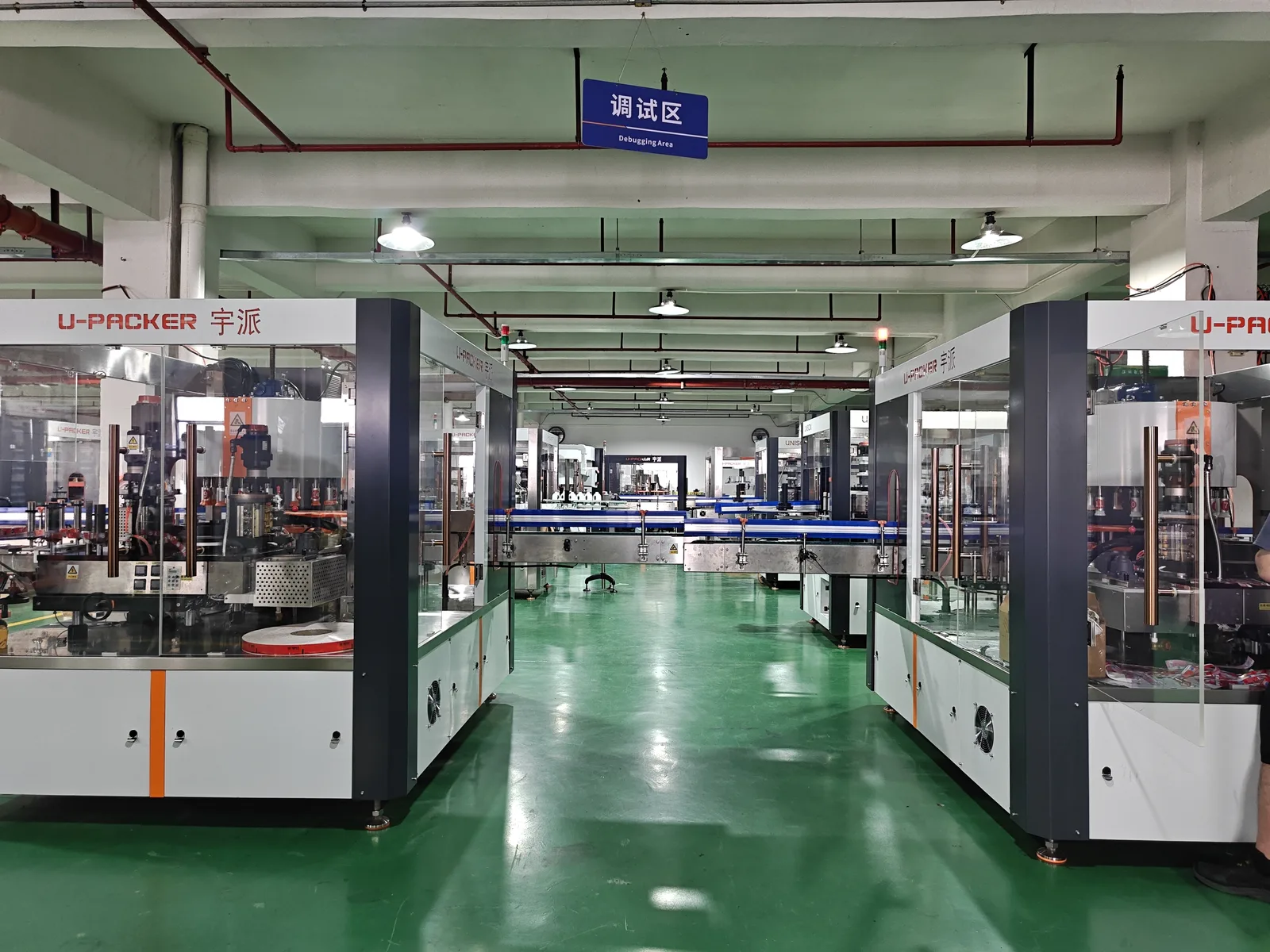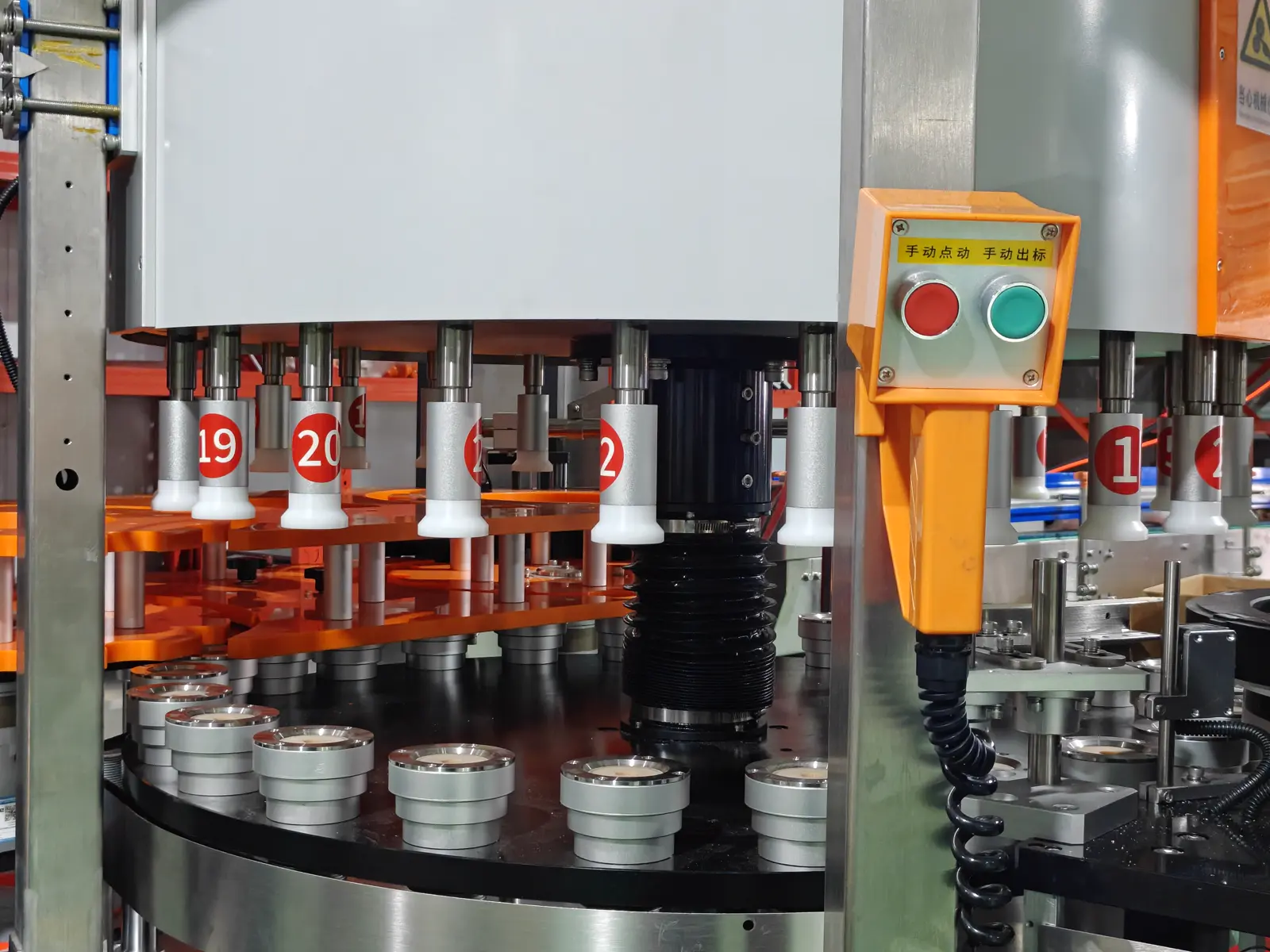
The automatic self-adhesive labeling machine is a PLC-centered, electro-mechanically integrated system that applies rolled self-adhesive labels onto designated packaging containers or products. It can label flat surfaces, concave-convex surfaces, and cylindrical surfaces. Depending on the packaging design, it can even apply two or three labels simultaneously. With its simple structure and high level of automation, and because it can be used either as a stand-alone unit or integrated into a production line, it is widely used across the labeling industry.
To meet labeling requirements under different conditions, automatic self-adhesive labeling machines come in many types. Although they differ in labeling process and in the structure of certain mechanisms, their labeling principles are essentially the same. The basic principle is as follows: the products to be labeled are placed on the conveyor chain plate manually or by interfacing with an upstream production line, and are conveyed to the bottle-separating mechanism, which spaces the products at a proper pitch (to prevent collisions during labeling that would compromise labeling quality). The separated products are then conveyed to the shaping and bottle-pressing mechanism; once a product is secured and detected by the labeling head, the head dispenses one label onto the designated position. The labeled product is then conveyed to the label-pressing station, where the pressing mechanism rolls the label so that it adheres tightly to the product. This completes the application of one self-adhesive label.